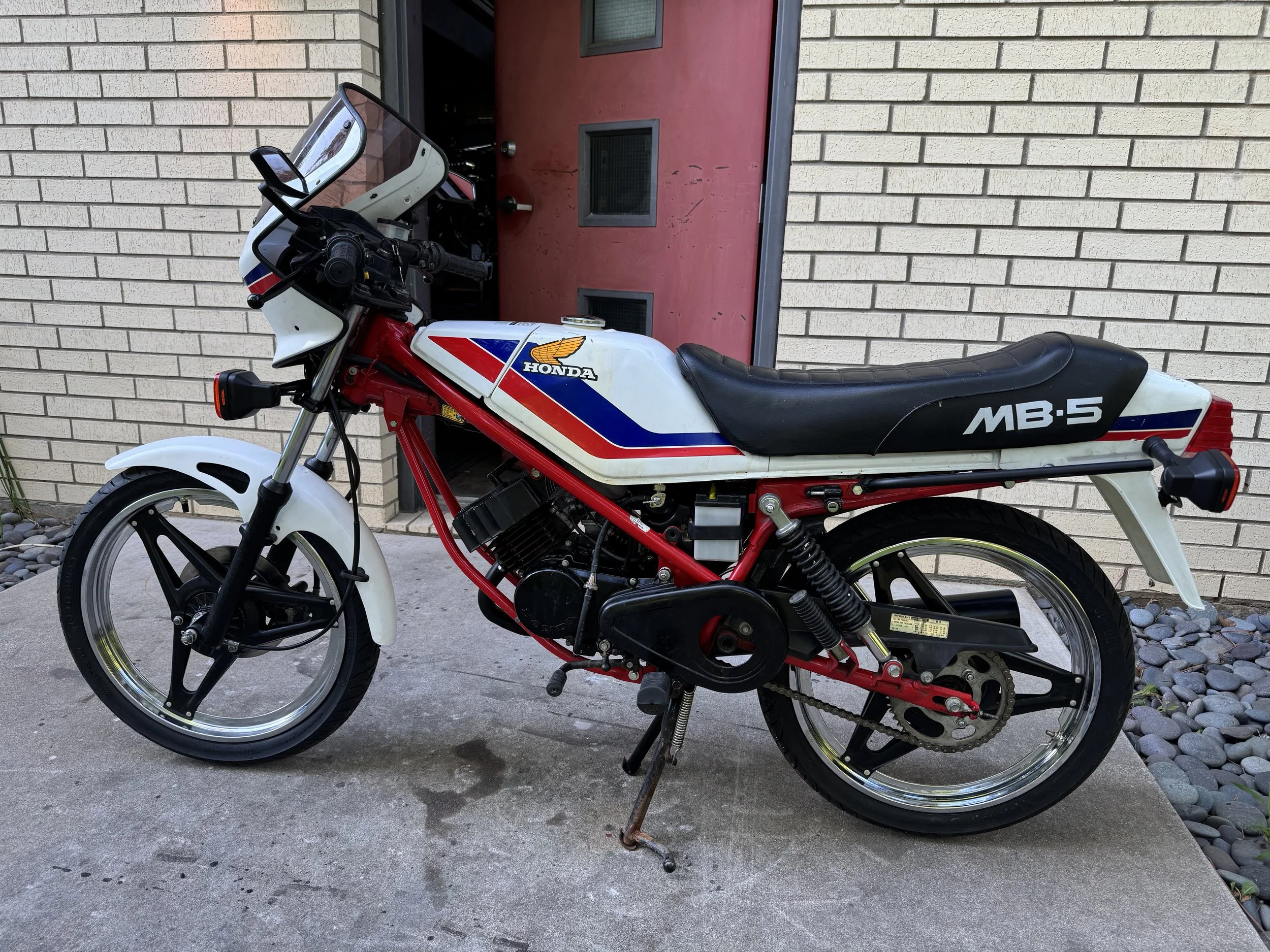
When this bike first came to me, it was in need of some attention, with missing and worn parts. It looked to be a straightforward revival, with a carb rebuild, fuel system clean out, new tires and tubes, and some other parts needed to put it back on the road. It was made to run in short order, but just would not rev. The following month was spent hitting it from different angles, with little success. In the end, a long list of parts had been thrown at it, to little avail, until an AI search finally made the light go on in my head. The owner of the bike had mentioned the bike was supposed to be originally from France. There was also a motorcycle shop sticker from the Netherlands on the rear fender. Searches of Honda diagrams showed the engine parts, particularly the fuel system, to be the correct ones for the French bikes. The light bulb moment was discovering the bike was de-tuned for the French market. Correct parts indeed, designed to limit performance to comply with French regulations. Messing around with mostly foreign bikes, I am aware of the need to de-tune to make a bike simpler and safer to operate in a number of conditions, but the concept of making a bike run this poorly was a new one on me. Evidently, it was supposed to match moped performance, with limited acceleration and top speed. They accomplished that certainly, but now it is time to let this bike breath.
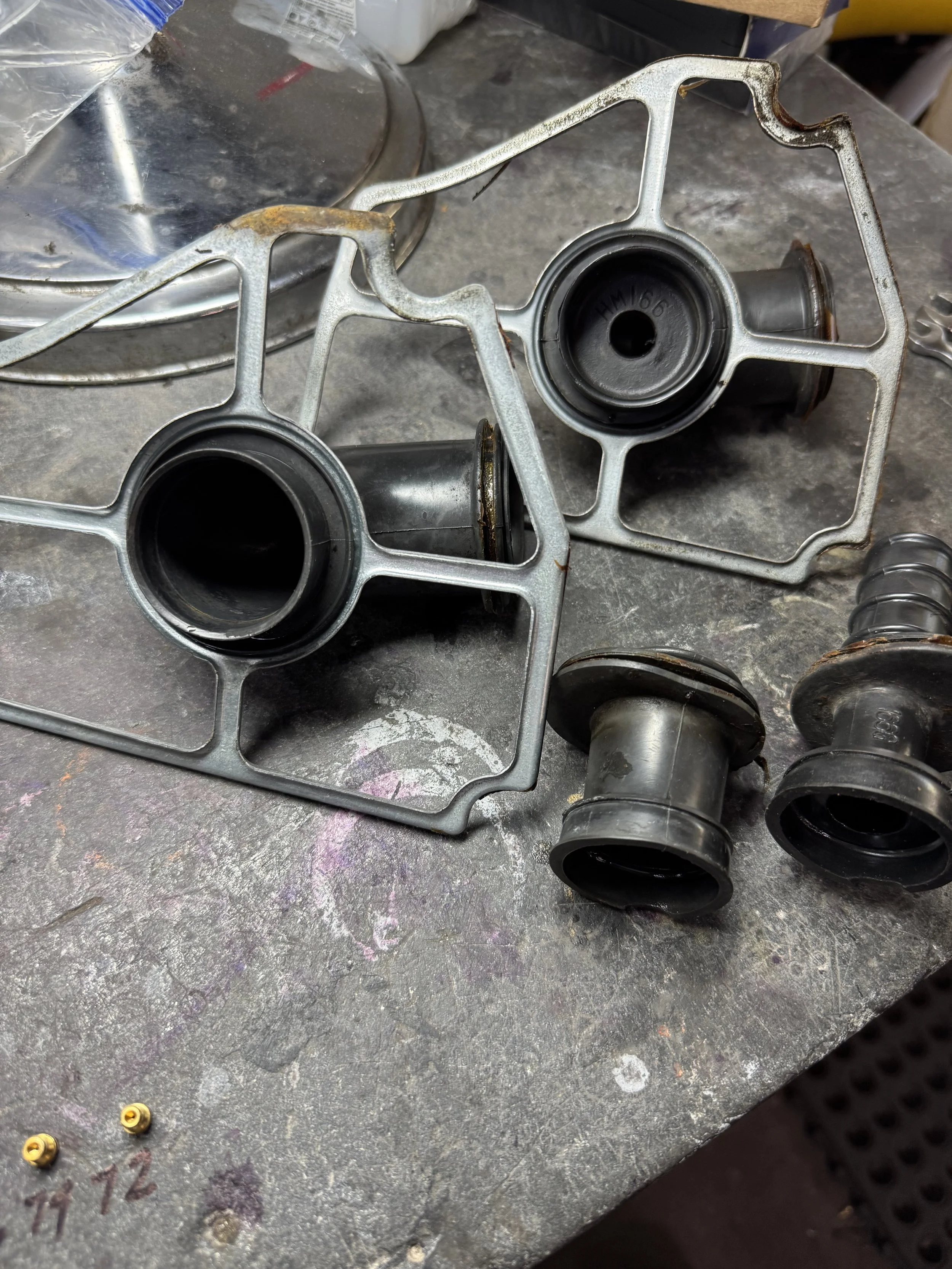
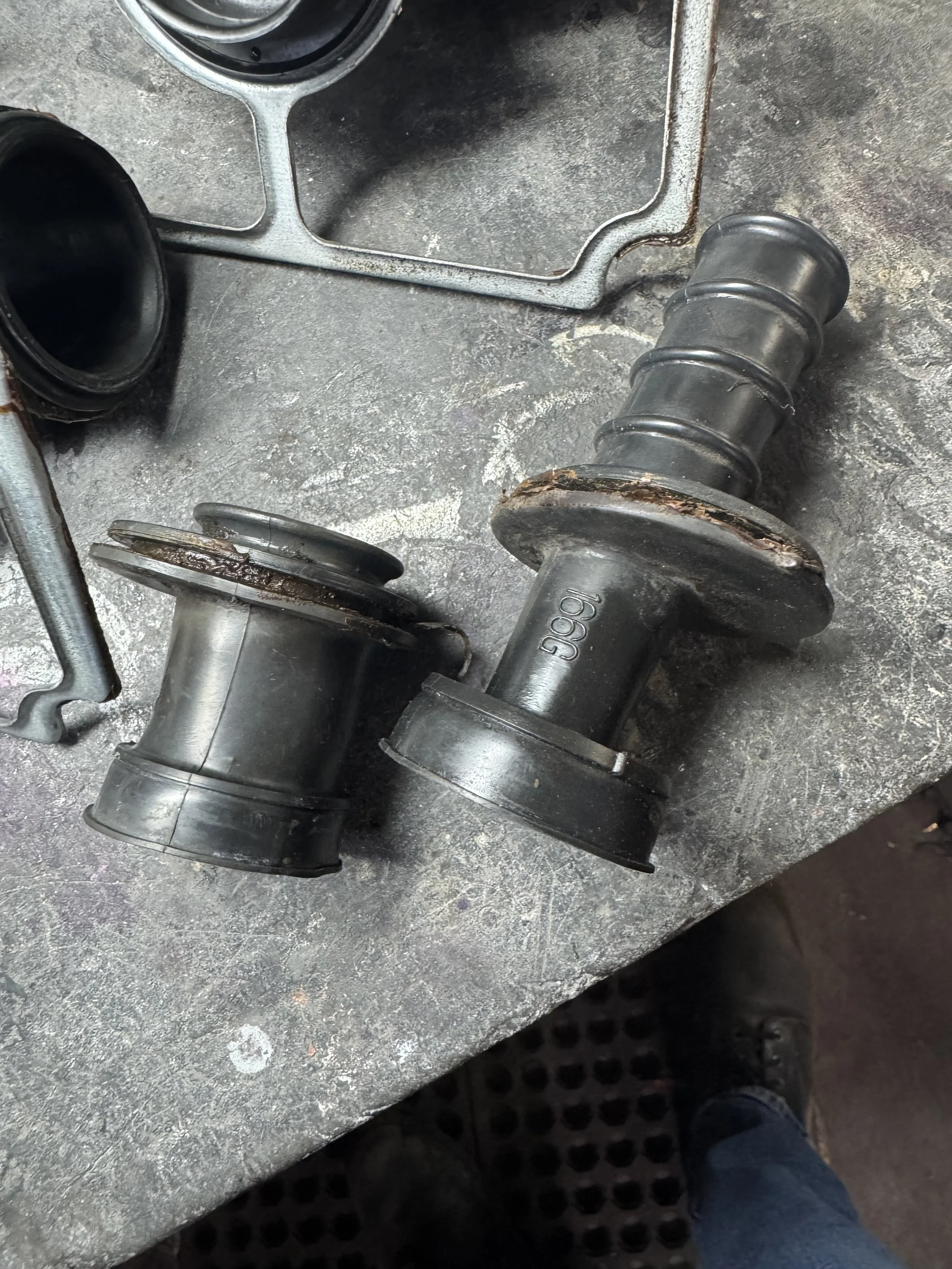
Despite having missed it for well over a month, once I went looking, the first sign was not too hard to spot. The intake snorkel and carb connection tube were longer and skinnier than the US models, as was the carb and intake bores. On the restricted air tube the “166” appears. That number would show up in the parts lists, as well as on other fuel system parts. The airbox cover was also missing, and the bike’s owner found a used complete airbox online. This was before the need for the larger intake tubes was known, so it was a fortunate purchase. Air filters for this model are not easy to find in the States, but a 5/8” bulk filter is the correct width, and it is easily cut with scissors to fit.
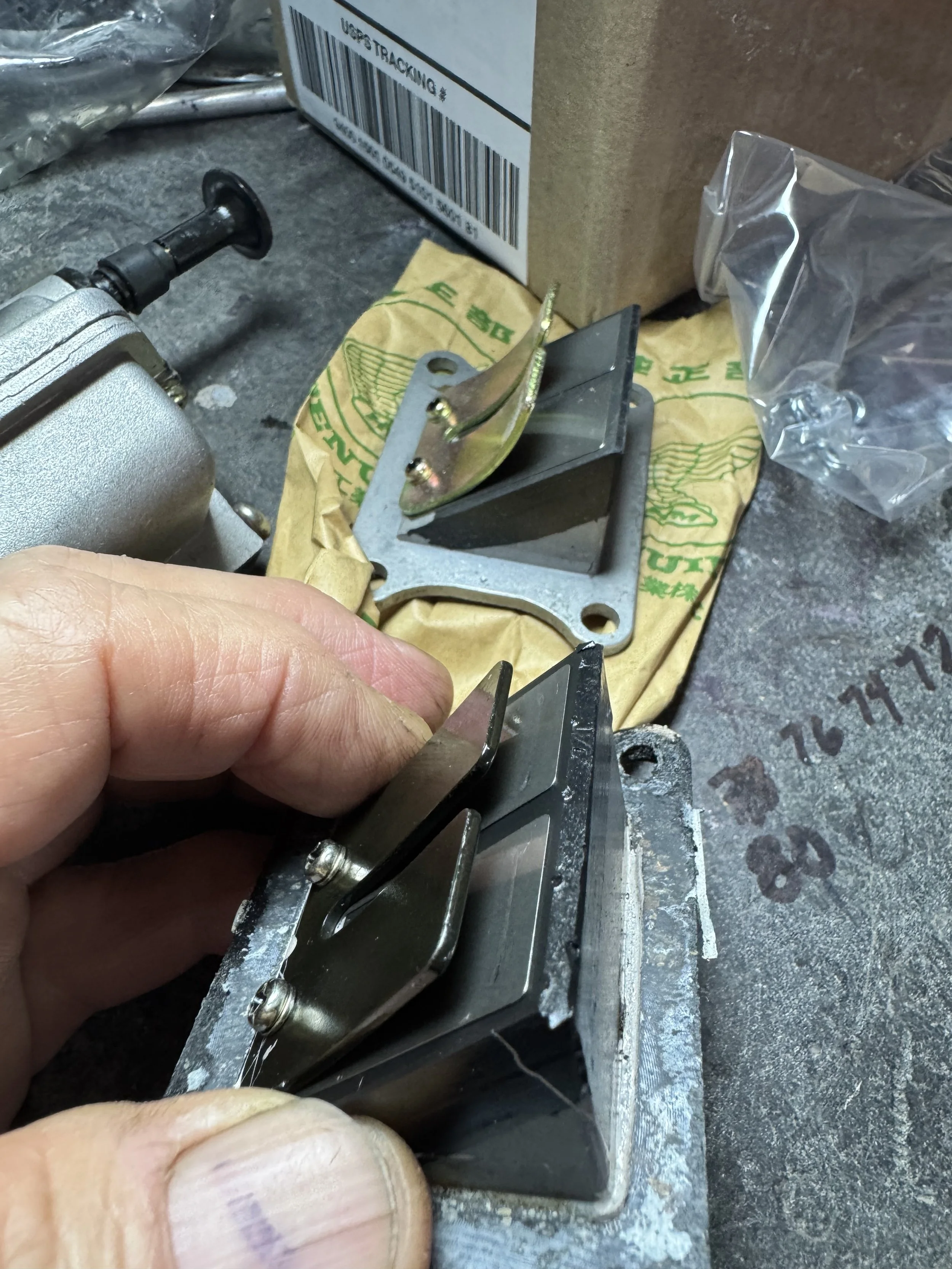
The reed block is a critical link in the intake, and the French spec model allows the reeds to open to only 5mm, versus 12mm on the US spec reed block. An OEM Honda US reed block was located, but it can’t just be substituted, a deliberate design limitation. The French cylinder has cast iron fins in the intake port that keeps you from installing the US spec reed block. Though this was only figured out after the decision to replace the cylinder and piston because of low compression. The compression in these bikes may be another thing lowered deliberately. In the picture above, the restricted reed block is in the foreground. There are plates to limit the opening of the reeds. On the US spec one, the shiny gold plate is clearly wider than the black plates on the French one.
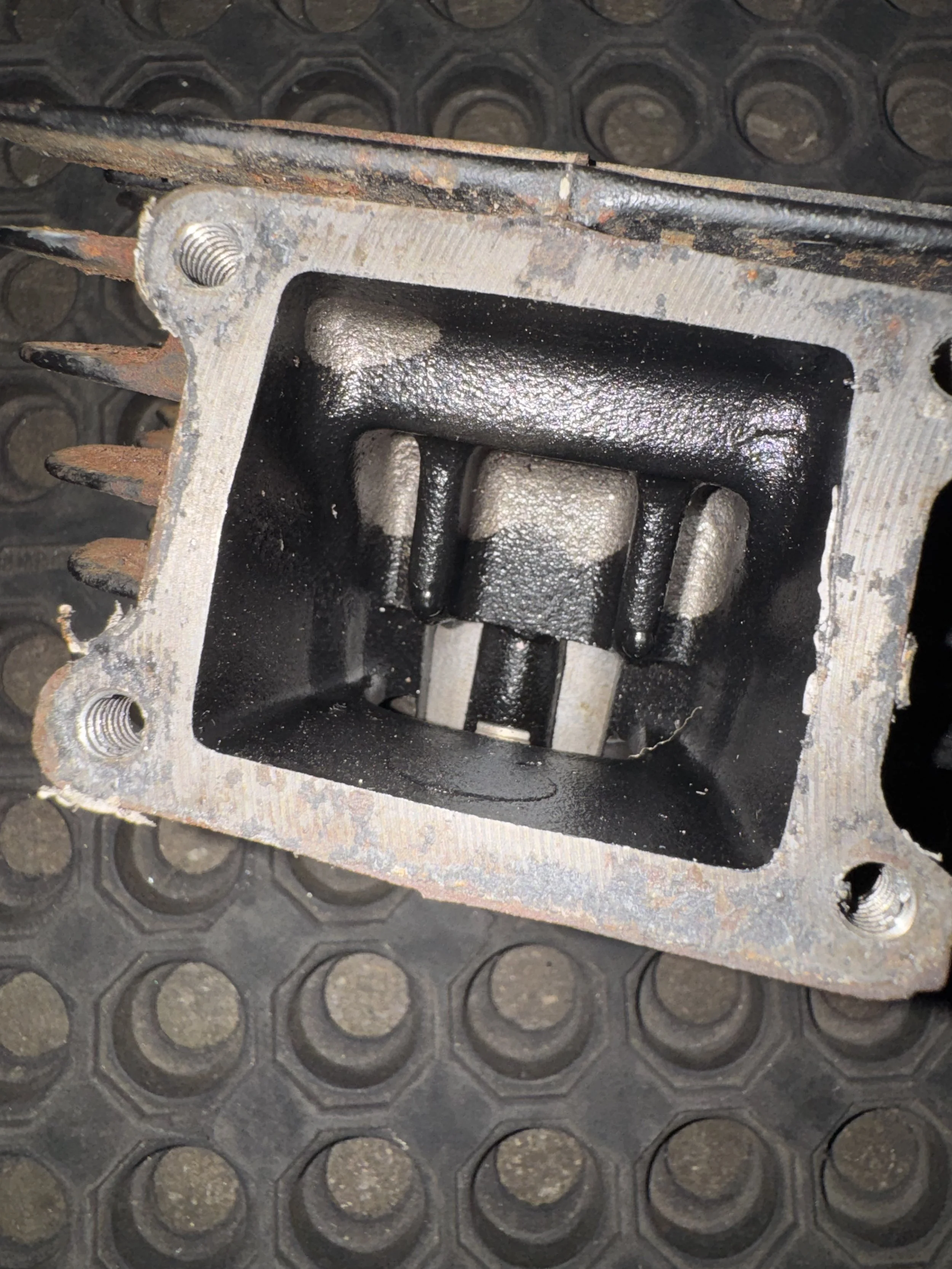
The French spec cylinder intake port, and the cast-iron fins that keep you from using an unrestricted reed block.
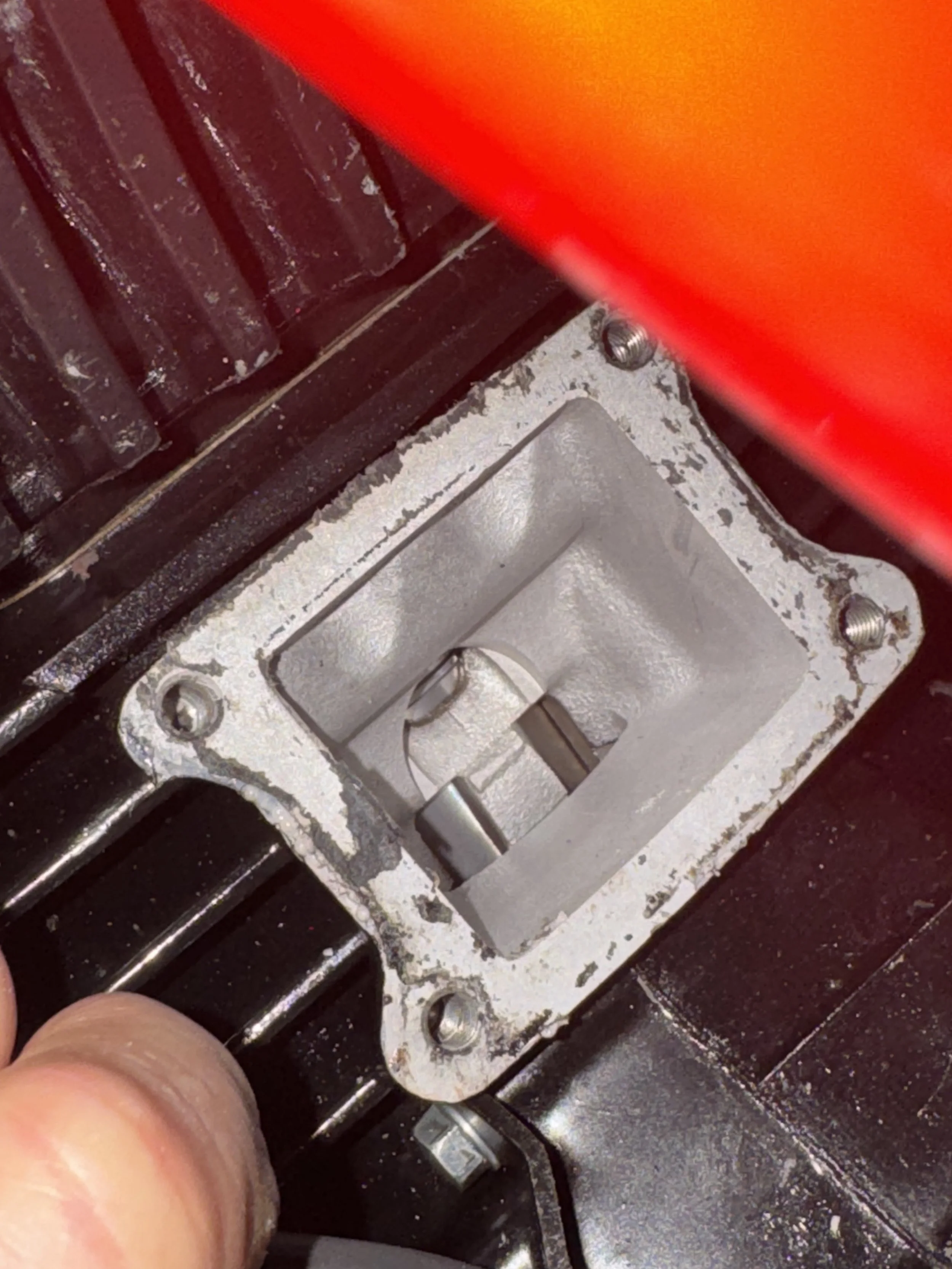
The new cylinder, minus the restricting fins, and with an additional intake port higher up in the cylinder
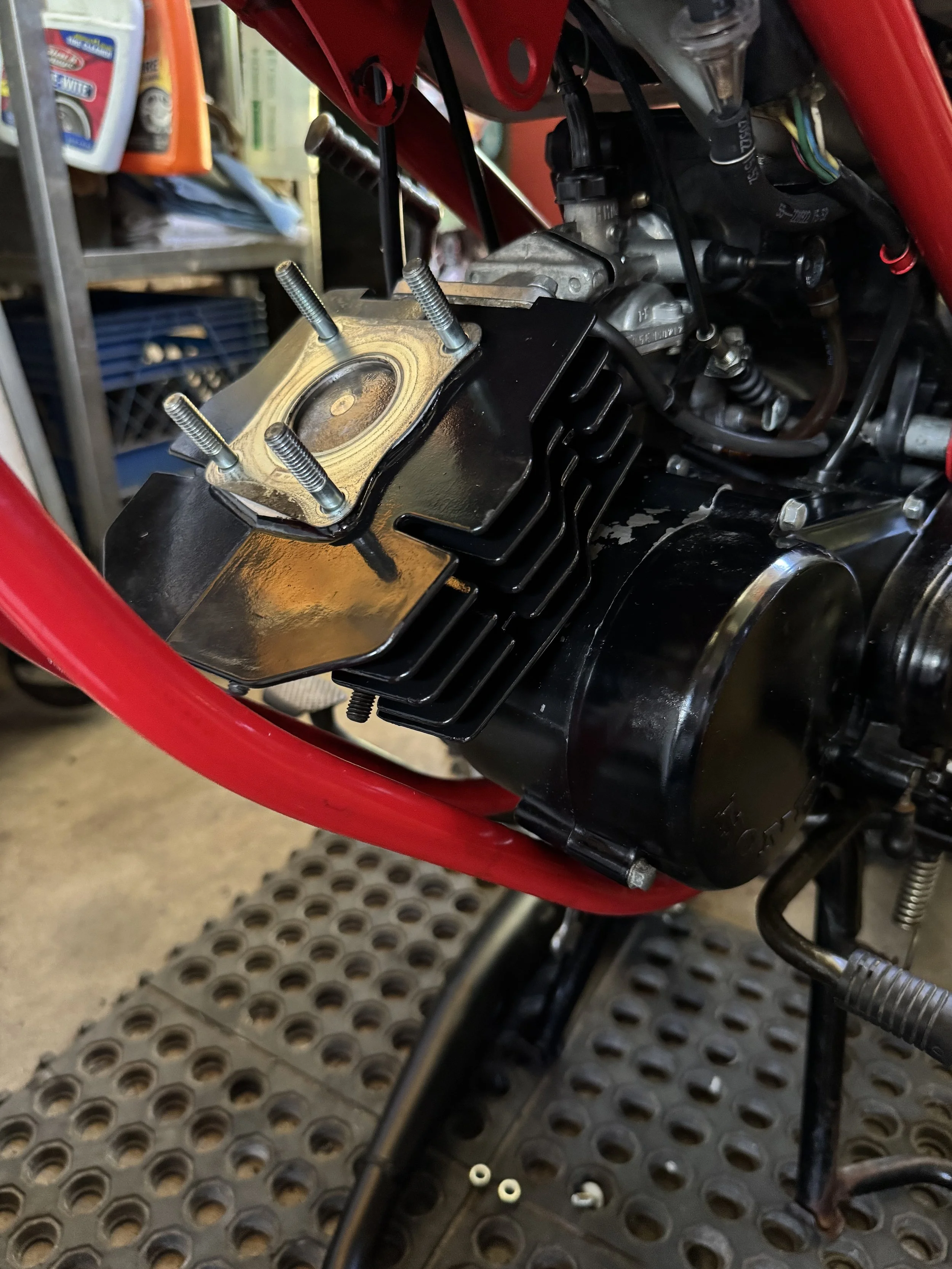
The new 49cc cylinder and piston painted and installed.
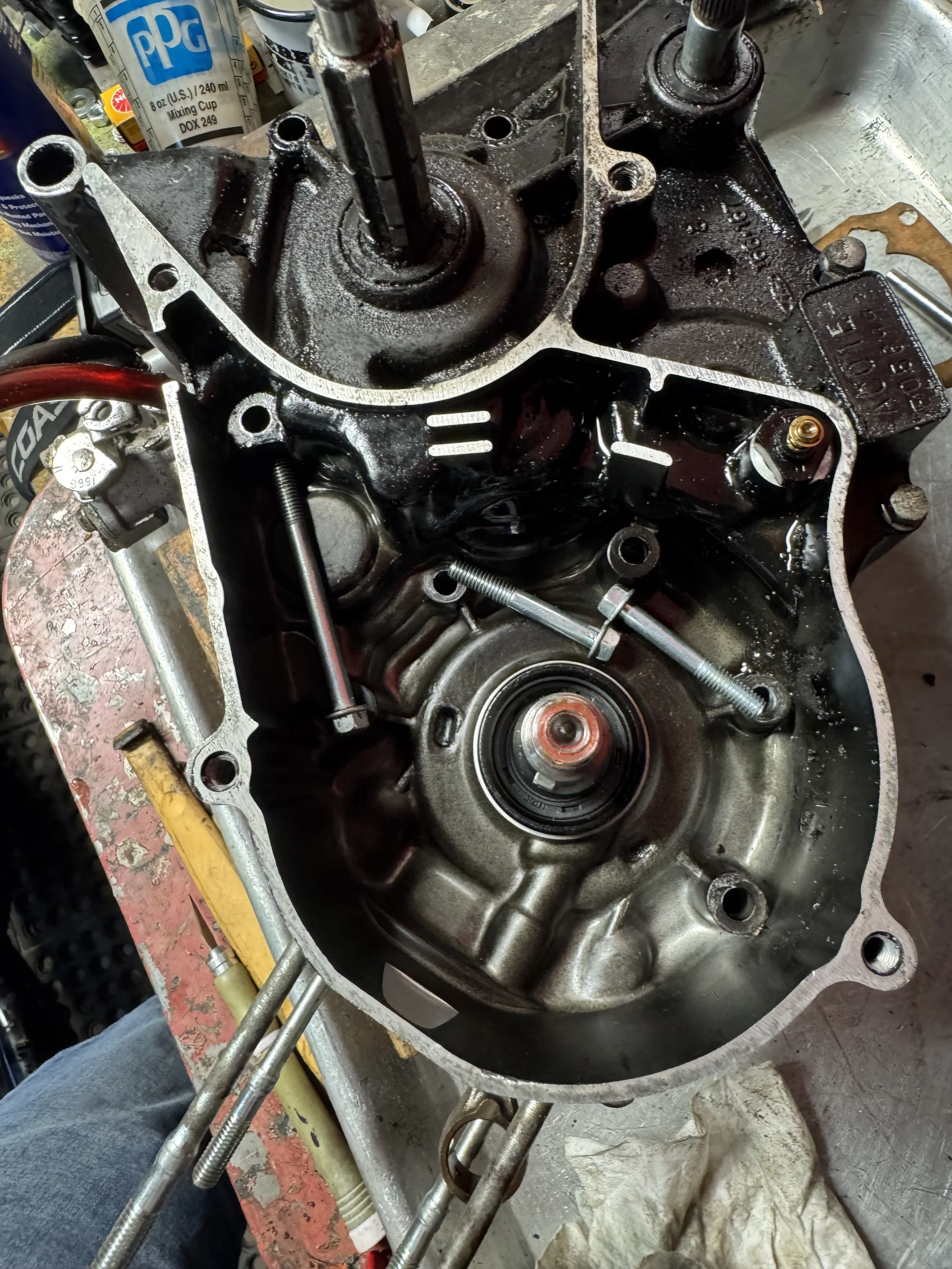
With the better compression from the top-end kit, crank seal leakage was the next thing to show up. The MB-5 has an oil-filled transmission on the right side of the engine, separated from the crankcase by a single seal. The suction in the crankcase pulled plenty of tranny oil into the engine, and out the pipe. The engine has to be split to change one of the crank seals, so it was removed and all the seals were replaced. Another benefit of the airbox purchase was that it came with the two metal spacers for the upper engine mount bolt. During the engine removal, it was noted that one spacer on the bike had been missing, so we were in luck. Another thing confirmed by the case split is that the transmission was indeed a four-speed, opposed to the five-speeds in the US model.
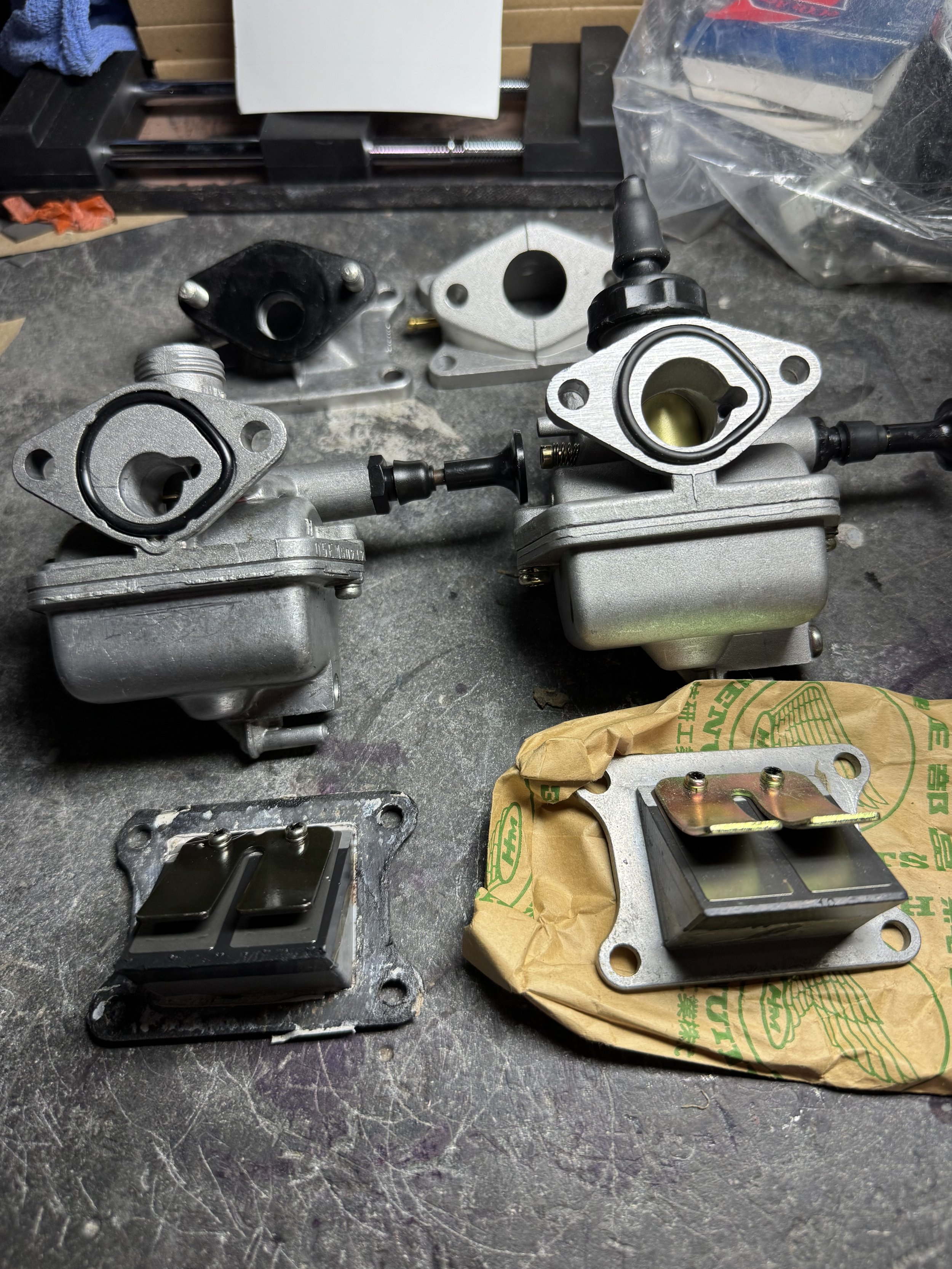
The CDI box was also changed, and the engine finally showed signs of revving, but really came to life with the change from a 62 size Keihin Jet to an 88. Further researching revealed that stock US jet size was 75-80. The 62 size main jet the bike came with is correct French spec. Though I did not try the smaller 75-80 size jets, the plan is to use a different, larger carb than the original 16mm size. An intake manifold is on order along with a new exhaust. The original intake chokes down to 14mm. Not absolutely sure, but I have to believe the exhaust is also factory restricted. When the larger intake manifold (the one in the pictures did not work out,) and the free-flowing exhaust pipe arrive, they will be put on the bike in short order, and we will hopefully have a better performing bike.
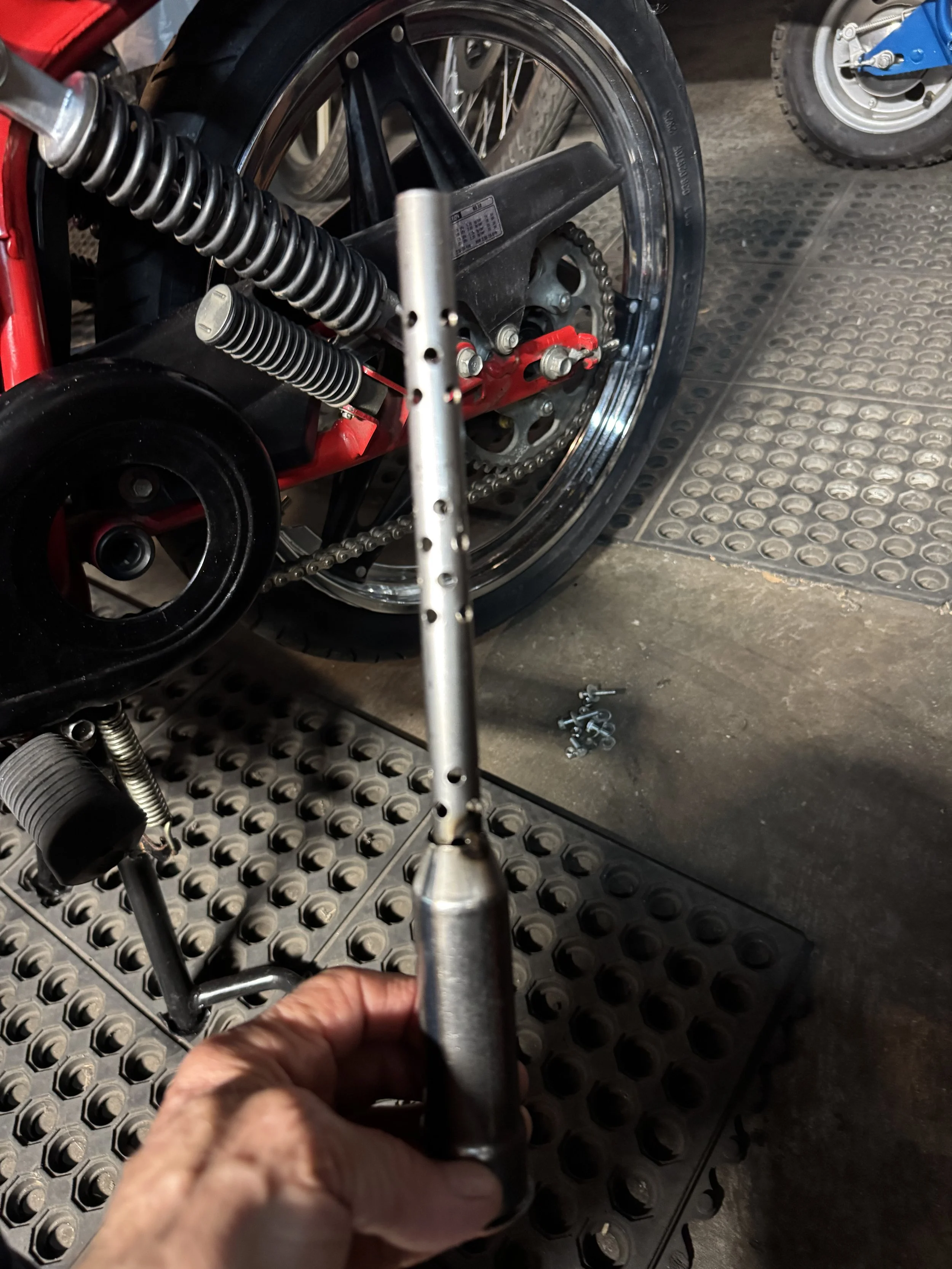
The exhaust pipe baffle was removed during the efforts to make the bike run better, but it did not help. One online source said there were inner restrictions in the middle of the pipe. In any case, the new performance pipe should take away that question.